
Industry analysis
2026 Hurricane Season: Houston Jobsite Readiness
A September 2026 construction-readiness guide for Greater Houston owners and contractors preparing jobsites for tropical weather, shutdowns, and safe restart.
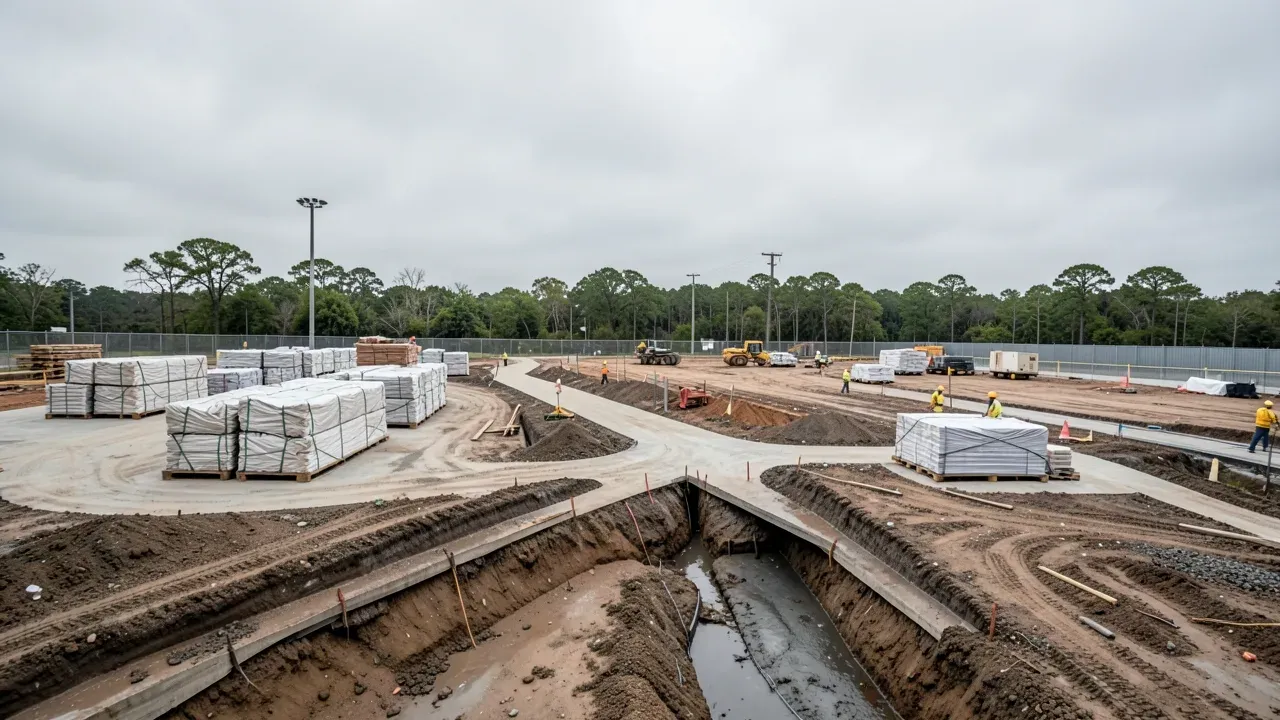
September remains a meaningful weather-risk month for Greater Houston construction even though the 2026 Atlantic hurricane season has been unusually quiet so far.
NOAA’s updated Atlantic hurricane outlook, issued August 6, gives the season a 75 percent chance of finishing below normal. The outlook calls for 7 to 13 named storms, 2 to 6 hurricanes, and 0 to 2 major hurricanes for the full season. The National Hurricane Center’s season summary, updated September 18, lists five named storms and no hurricanes to date, with accumulated cyclone energy far below the long-term normal for this point in the season.
Those basin-wide figures are useful context, but they do not remove project-level exposure. NOAA emphasizes that a seasonal outlook is not a landfall forecast. A single Gulf Coast storm can still disrupt a Greater Houston jobsite even during a below-normal year.
For owners and project teams, the practical question is not whether the Atlantic has been quiet. It is whether the site can be secured, documented, shut down, and safely restarted if tropical weather threatens the region.
Keep the plan active through the peak season
NOAA identifies August, September, and October as the main peak months of Atlantic hurricane activity, and the official season runs through November 30. That means a September project should still have a current storm plan even if no cyclone is active on the day the schedule is reviewed.
The National Hurricane Center’s September 18 summary shows how quiet 2026 has been so far: five named storms, no hurricanes, and no major hurricanes. Analysis from NOAA’s Atlantic Oceanographic and Meteorological Laboratory explains that El Niño conditions can increase vertical wind shear over the Atlantic and suppress tropical cyclone development. Those factors help explain the season’s lower activity.
From a construction-management perspective, however, preparedness should not be tied only to the total number of storms.
A project with open roof areas, incomplete exterior walls, temporary power, excavations, unsecured materials, cranes, scaffolding, or incomplete drainage can have significant exposure if one system approaches the Texas coast. The condition of the site matters more than the seasonal storm count.
Owners should therefore ask whether the hurricane plan reflects the project’s current phase, not the phase it was in when the plan was first written.
Define triggers before a storm is close
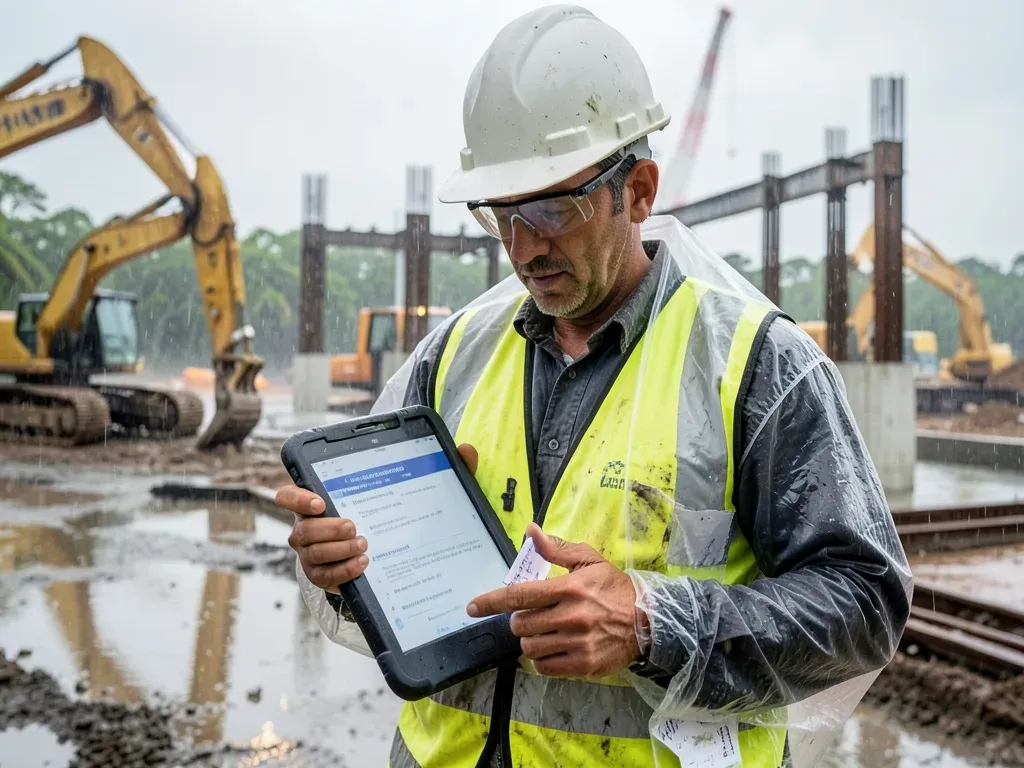
A shutdown plan works better when the team decides in advance what events trigger action.
Waiting for a hurricane warning can leave too little time to secure a large site. Some tasks require subcontractor coordination, equipment pickup, material relocation, temporary protection, or specialty vendor support. Those activities compete with regional demand as a storm approaches.
A practical plan should identify who monitors official National Hurricane Center products and who has authority to begin preparation. It can also separate low-cost readiness actions from full shutdown actions.
Early actions may include:
- confirming contact information;
- checking pumps and temporary drainage;
- organizing loose materials;
- reviewing crane and lift procedures;
- clearing roof and floor drains;
- verifying fuel and generator readiness;
- moving sensitive materials away from exposed areas;
- documenting the site condition;
- confirming vendor pickup or equipment-securement plans.
Later actions may include closing openings, removing temporary equipment, shutting down temporary power, securing fencing, relocating materials, and stopping work.
The exact trigger should be project specific. What matters is that the superintendent, contractor, owner, and key subcontractors understand the decision path before conditions deteriorate.
Protect the building in its unfinished condition
A construction site should be evaluated as it exists today, not as the completed design intends it to perform.
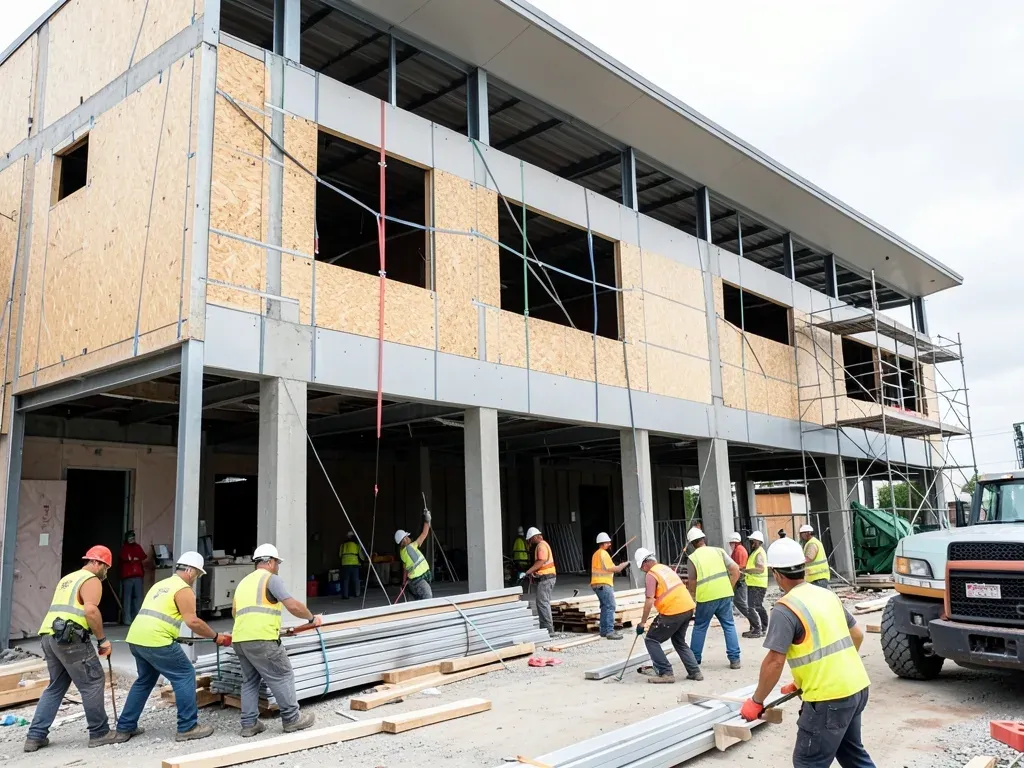
A permanent roof may not be complete. Exterior walls may be open. Windows may not be installed. Permanent drainage may not be connected. Mechanical equipment may be sitting on site but not yet enclosed. Interior materials may be stored in a space that is technically “inside” but still exposed to wind-driven rain.
A pre-storm walk should identify temporary conditions such as:
- incomplete roof edges and penetrations;
- open wall or window openings;
- temporary doors;
- stacked drywall, insulation, or ceiling materials;
- temporary fencing;
- portable toilets and job trailers;
- dumpsters and loose debris;
- lifts and mobile equipment;
- scaffolding;
- temporary electrical distribution;
- excavations and trenches;
- unprotected soil or stockpiles.
The contractor should also review manufacturer storage requirements for sensitive materials and equipment. Water exposure can create damage even when an item does not visibly move during a storm.
Treat water management as a primary risk
Hurricane discussions often focus on wind, but heavy rainfall can be equally disruptive to construction.
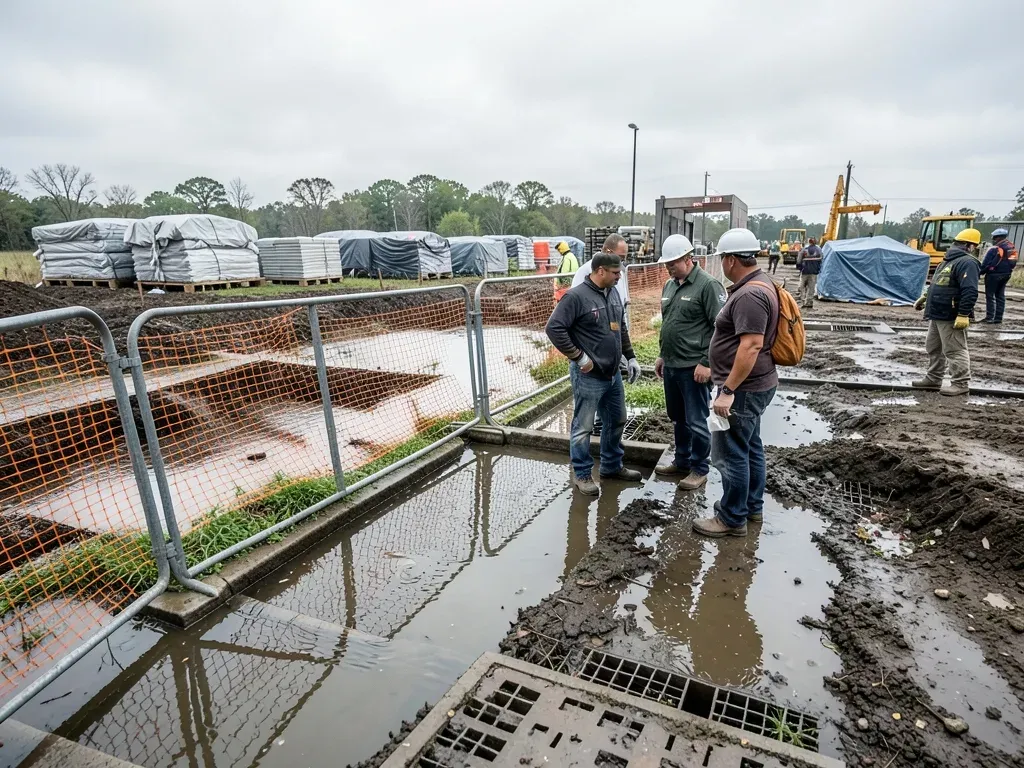
Water can flood excavations, damage stored materials, erode temporary slopes, overwhelm incomplete drainage, undermine access roads, and leave standing water inside unfinished buildings. Greater Houston projects can also experience intense rainfall without a direct hurricane landfall.
The site team should understand where water will move during a major rain event in the project’s current configuration.
Questions worth reviewing include:
- Are temporary swales and drainage paths open?
- Are inlets blocked by debris?
- Are pumps operational and safely powered?
- Can water enter below-grade work?
- Are stockpiles blocking drainage?
- Are erosion-control measures intact?
- Can temporary access roads remain usable?
- Are critical materials elevated above potential standing water?
- Could runoff affect neighboring properties?
Civil and site-work teams should be involved in this review. Temporary grades can change as the project progresses, and a drainage approach that worked earlier in the schedule may no longer work after excavation, paving, or utility installation.
Document conditions before leaving the site
Pre-storm documentation creates a useful baseline.
Before a shutdown, photograph major work areas, exterior openings, stored materials, equipment positions, temporary protection, drainage conditions, adjacent property interfaces, and completed work. Record the date and organize the images so the team can compare conditions after the event.
The documentation can support several purposes. It can help identify what moved, where water entered, whether temporary protection failed, and which areas need inspection first.
It is also useful to record that key shutdown tasks were completed. If a subcontractor is responsible for securing scaffolding, removing equipment, shutting down a system, or protecting an opening, the project team should know whether that action was actually completed before crews departed.
The goal is practical traceability, not paperwork for its own sake.
Plan a controlled restart
A site should not reopen simply because rainfall has ended or roads are passable.
The contractor should define who is authorized to assess the site and what conditions must be checked before general crews return. Depending on the event, the assessment may include temporary power, standing water, scaffolding, cranes, excavations, structural conditions, fallen materials, temporary fencing, and access routes.
Specialty inspections may be needed before damaged equipment or temporary systems are used again.
Regional disruption also matters. Even if the project itself has limited damage, suppliers, subcontractors, workers, roads, utilities, and delivery networks may be affected elsewhere in Greater Houston.
That means the restart plan should include schedule recovery. The contractor may need to resequence work, replace damaged materials, adjust deliveries, or wait for specialty crews.
Use the quiet season to improve readiness
The 2026 Atlantic season’s low activity through September 18 creates an opportunity to improve systems without the pressure of an active Gulf threat.
Owners can ask the contractor to review the hurricane plan against the current site condition, confirm shutdown responsibilities, inspect temporary drainage, organize materials, verify contact lists, and define the restart process. These are useful project-control practices even if no hurricane reaches Houston.
The broader lesson from the current NOAA data is that lower seasonal activity changes probability, not consequence. A project still benefits from clear weather-monitoring responsibility, staged shutdown actions, protected materials, documented conditions, and a safe restart procedure.
For Greater Houston owners evaluating commercial, multifamily, residential, or renovation work, Adila Construction’s services overview describes its published project categories. When a property, scope, and target schedule are defined, the contact page provides a direct route to share the project basics.