
Industry analysis
Texas Data Center Permit Freeze: Houston Project Impacts
Texas halted state permits sought by data centers while ERCOT and partner agencies audit power, water, and community impacts. Houston-area developers should revisit project gates.
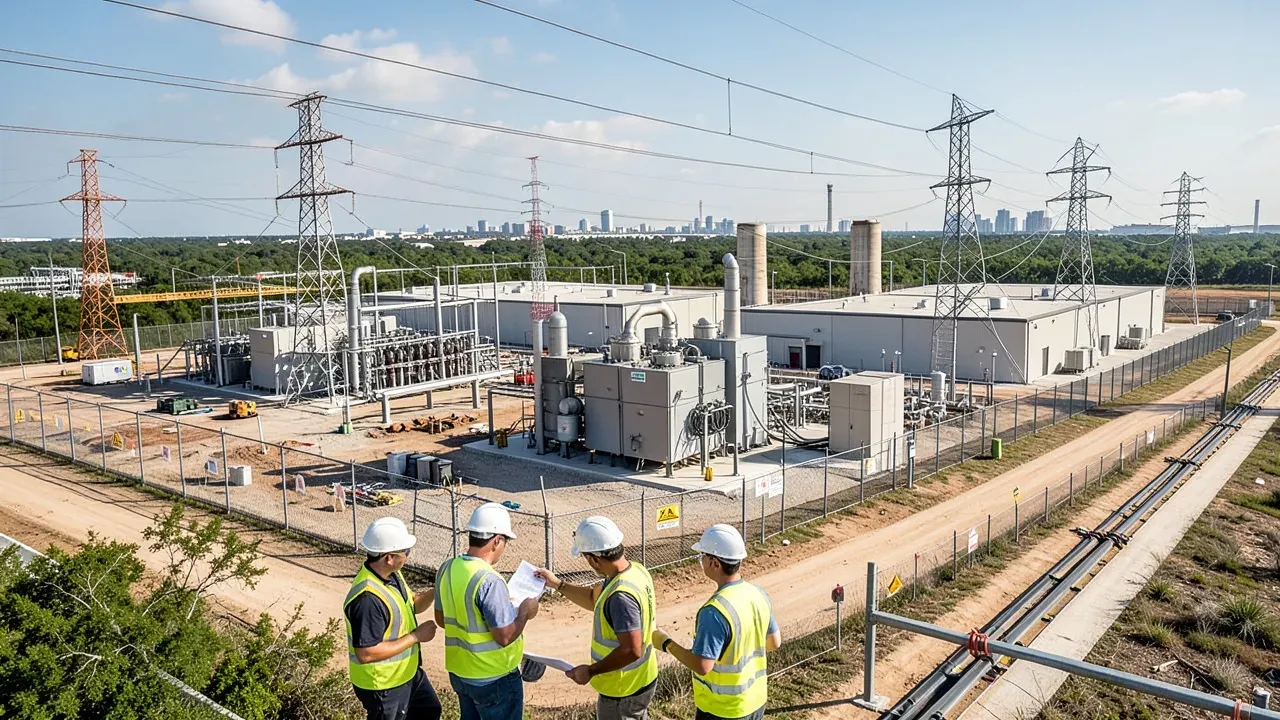
Texas changed the near-term regulatory environment for data center development on September 21, 2026. Governor Greg Abbott directed the Texas Commission on Environmental Quality to halt permits sought by data centers until ERCOT completes an audit of data center projects. The Governor’s announcement also states that state agencies should not move forward with regulatory approvals related to data center development until the required information is obtained.
The action builds on an August 3 directive requiring the Public Utility Commission of Texas and ERCOT to verify and audit data center projects advancing through ERCOT’s interconnection process. On September 14, ERCOT issued a separate request for information covering state and community impacts for data center projects of 25 MW or more that are pursuing interconnection and meet the notice’s criteria. That RFI seeks information about grid dependency, water sources and consumption, cooling technology, public assistance, ownership, and community impacts such as noise, light, and traffic.
For Greater Houston owners and developers, the key point is not that every local construction permit has stopped. The September 21 directive is a state-level action focused on permits sought by data centers and related regulatory approvals. Local building, civil, utility, and development processes may have different authorities and requirements. The practical response is to map which project approvals, interconnection milestones, and procurement commitments depend on the affected state reviews before assuming that the original schedule still works.
What changed on September 21
The Governor’s September 21 release says TCEQ is to halt all permits sought by data centers until ERCOT completes its audit. It also says PUCT, ERCOT, and the Texas Water Development Board need the audit information to make decisions and that no state agency should move forward with regulatory approvals related to data center development until that information is acquired.
The same release requires TCEQ to align its permitting decisions with the Governor’s directives and provide an update to the Governor’s office by October 19, 2026.
That creates a new schedule gate for developers whose projects depend on affected state approvals. The exact impact will vary by project. A data center that is still evaluating land has different exposure from one with design complete, utility studies underway, equipment ordered, and state permit applications pending.
Owners should identify the approvals on the critical path and distinguish them from work that can legitimately continue. Legal counsel, engineers, utility representatives, and the applicable agencies should confirm the project-specific interpretation. The owner-side management task is to make the dependency visible in the schedule rather than treating “permitting” as one undifferentiated activity.
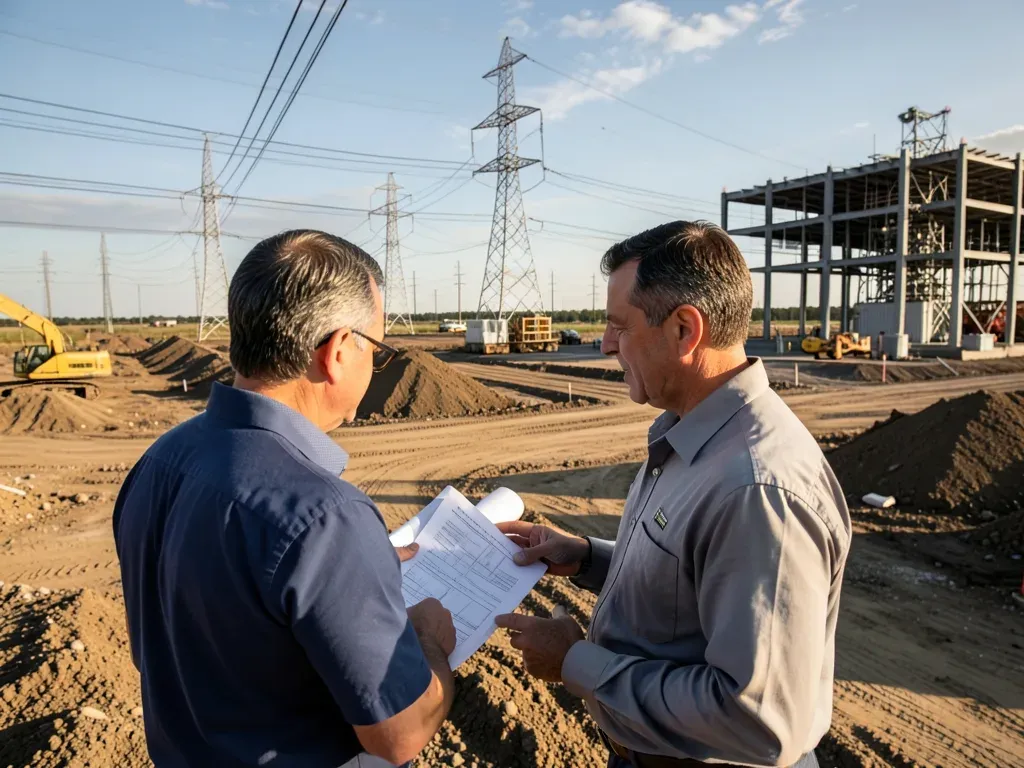
Interconnection is now an even stronger project gate
The September action arrives while ERCOT is already changing how very large loads connect to the grid.
On June 18, the PUCT approved ERCOT’s Batch Zero process for large-user connection requests. ERCOT said the framework groups qualified projects of 75 MW and greater into a single study so the grid operator can evaluate the combined effect of future demand, allocate available transmission capacity, and identify needed transmission upgrades.
ERCOT’s September 14 market notice adds another layer. The State and Community Impact RFI applies to specified data center projects in Batch Zero and to specified proposed data center facilities with requested peak load of at least 25 MW but less than 75 MW. Complete responses are due October 12, 2026. ERCOT says it expects to publish a report from the information no later than December 10, 2026.
For a developer, interconnection is therefore not only an electrical-engineering workstream. It is a project-development gate that can affect site feasibility, design assumptions, delivery dates, and the timing of major capital commitments.
The construction team should understand which electrical scope can proceed before the interconnection path is sufficiently defined. Large transformers, switchgear, substations, backup generation, distribution equipment, and utility civil work can have long design and procurement cycles. Releasing those packages too early can create cancellation, storage, redesign, or stranded-equipment risk if the final power solution changes.
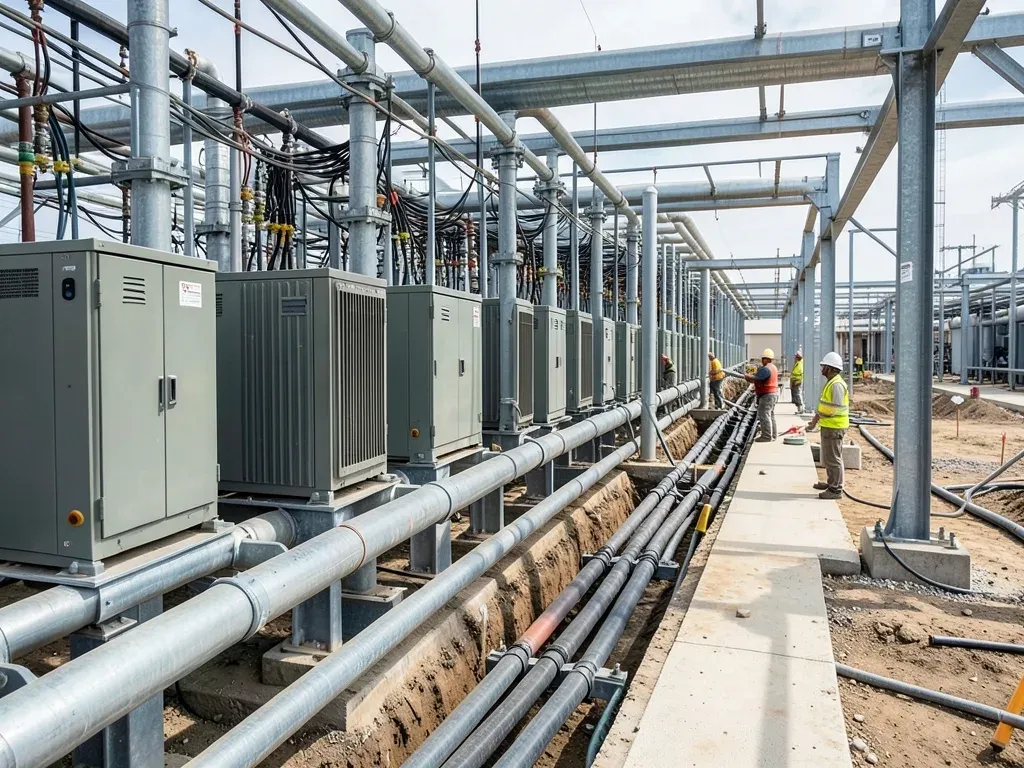
Water and cooling information has moved into front-end diligence
The September 14 ERCOT RFI is notable because it goes beyond power.
ERCOT says the information request addresses water sources and consumption, cooling technologies, noise, light, traffic, public financial assistance, grid dependency, and ownership. ERCOT also states that it coordinated with the Texas Water Development Board on the water questions.
For Greater Houston developers, this reinforces the value of resolving water and cooling assumptions early. A data center’s water profile can differ substantially depending on cooling architecture, operating strategy, climate conditions, redundancy requirements, and site infrastructure. The point is not to assume one cooling approach is now required. The point is that water demand and source information have become part of the state-level review environment.
The civil, mechanical, utility, and development teams should use the same baseline assumptions. If the mechanical model assumes one cooling configuration while the utility request or site plan assumes another, the project may be carrying inconsistent infrastructure requirements.
Owners can improve diligence by documenting:
- expected peak and annual power demand;
- expected water source and demand assumptions;
- proposed cooling approach;
- on-site generation or storage concepts;
- transmission and distribution dependencies;
- utility extension responsibilities;
- noise and lighting controls;
- traffic and construction-access assumptions;
- neighboring land-use interfaces.
These are design inputs, not public-relations talking points. If they change, the schedule, site plan, cost model, and permit strategy may also need to change.
Houston schedules should separate design progress from approval risk
A permit or interconnection hold does not necessarily mean every design activity should stop. It does mean the owner should be careful about converting design progress into irreversible spending.
One useful approach is to divide the project into decision gates.
A first gate can cover site control and basic feasibility: land, flood conditions, access, utilities, zoning or development constraints, and preliminary power and water assumptions. A second can cover utility and regulatory confidence: interconnection classification, required RFIs, state approvals, water strategy, and major off-site improvements. A third can cover long-lead release: equipment quantities, voltages, cooling loads, structural requirements, and vendor terms. A fourth can authorize major field mobilization.
The correct gates will vary by project, but the principle is valuable in a changing regulatory environment. The owner can continue advancing work that preserves options while delaying commitments that depend on an unresolved assumption.
For Houston-area projects, the general contractor can support this by maintaining a procurement log that identifies which packages are permit-dependent, interconnection-dependent, or design-dependent. That makes it easier to distinguish a package that is safe to buy early from one that could require rework if the utility path changes.
Revisit budget contingencies and contract assumptions
The permit freeze and audit process can affect cost even before field work changes.
A longer development period can extend design fees, land carry, project management, temporary services, equipment storage, financing costs, and escalation exposure. A changed utility solution can move costs between the utility, owner, electrical contractor, civil contractor, and equipment vendors.
Owners should review the cost model for assumptions that were previously treated as fixed.
Questions worth testing include:
- Does the budget include the currently expected off-site electrical work?
- Who carries the cost of utility upgrades or temporary power?
- Are long-lead equipment deposits refundable or transferable?
- What happens if equipment delivery precedes the new required date?
- Does the contract schedule identify regulatory delays separately from contractor delay?
- Are owner-directed design changes after utility review handled clearly?
- Is there contingency for additional water, cooling, acoustic, or traffic mitigation?
These questions do not predict the final state requirements. They help the owner understand where a regulatory change could become a construction cost.
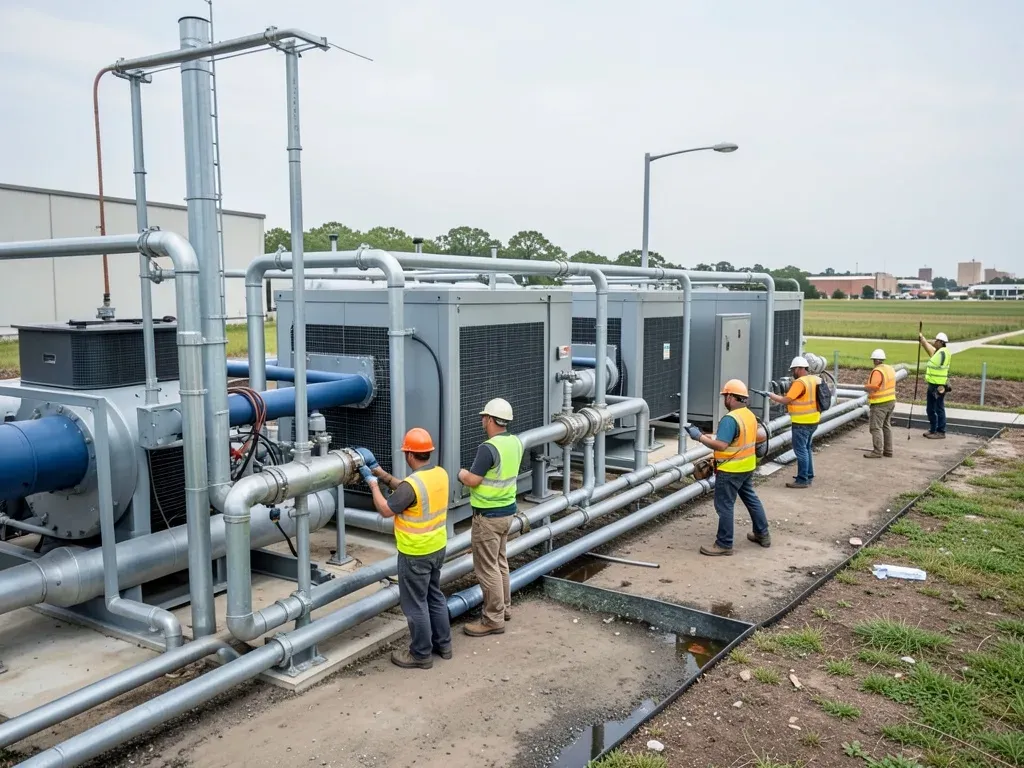
A practical next-step checklist for developers
The fastest response to a changing regulatory environment is a clean status map.
First, list every state, local, utility, and ERCOT approval or study that applies to the project. Identify the responsible party, current status, next submission, and schedule dependency.
Second, confirm whether the project falls within the ERCOT data center RFI population and, if so, who owns the response. The September 14 notice establishes an October 12 deadline for covered recipients and says failure to respond will be reported to the PUC and Governor’s office.
Third, reconcile power, water, and cooling assumptions across the design team. The same numbers should appear in the utility strategy, mechanical concept, civil planning, cost model, and owner decisions.
Fourth, classify procurement packages by reversibility. Equipment that can be reused under multiple scenarios carries a different risk than custom equipment tied to a specific electrical or cooling architecture.
Fifth, update the baseline schedule with explicit approval gates. Do not hide a major regulatory dependency inside a general “permit review” bar.
Finally, communicate the distinction between sourced facts and project analysis. The state has announced a permit halt and an audit process. ERCOT has issued specific RFIs and interconnection procedures. Whether a particular Greater Houston project should continue design, pause procurement, change utilities, or revise its start date is a project-specific decision.
Adila Construction’s commercial construction page describes its published commercial service scope. When a data-center or other complex commercial project has a defined site, available design information, utility assumptions, and target timing, the contact page is the appropriate place to share those basics.